Long lines are one of the fastest ways to lose a customer. Whether it is a bank branch in Lahore, a hospital pharmacy in Karachi, or a busy government service counter, every extra minute of waiting chips away at satisfaction and, eventually, revenue. In 2026, the businesses that win are the ones that treat waiting as a problem worth engineering out, not a fact of life to tolerate.
A modern queue management system replaces the chaotic scramble of a first-come crowd with a calm, orderly, measurable flow. This guide explains how these systems actually cut wait times, what components matter, and how to choose the right setup for your location. We will also look at how drive-thru technology extends the same flow-management thinking beyond the front door.
Why Waiting Time Quietly Costs You Customers
Waiting feels longer than it is. Research on service psychology has shown for decades that unoccupied, uncertain waits feel far more painful than busy or explained ones. When a customer stands in a shapeless line with no idea whether they are next or twentieth, frustration compounds quickly.
That frustration has hard consequences. Abandoned queues mean lost sales, negative reviews, and staff who spend energy managing complaints instead of serving people. For high-traffic sectors like banking, telecom retail, and healthcare, poor queue handling is one of the most visible weaknesses a brand can have.
How a Queue Management System Actually Cuts Wait Times
A queue management system does not simply move people faster. It removes the friction, guesswork, and idle time that stretch each interaction. Here is what happens under the hood.
- Ticketing and virtual queues: Customers take a ticket from a kiosk or their phone, then wait wherever they like instead of standing in a physical line.
- Smart routing: The system sends each ticket to the right counter based on service type, so a simple bill payment never gets stuck behind a complex account opening.
- Live displays and audio calls: Screens and announcements tell people exactly when and where to go, eliminating hesitation at the counter.
- Staff dashboards: Supervisors see load in real time and can open extra windows before a bottleneck forms.
The combined effect is dramatic. By matching demand to capacity minute by minute, service points that once averaged fifteen-minute waits often settle into single-digit waits without hiring a single extra employee.
The Role of Real-Time Data
Every ticket generates a timestamp. Over a week, those timestamps reveal your true peak hours, your slowest counters, and the services that eat the most time. Managers stop guessing and start scheduling staff against the actual demand curve. That single shift is often where the biggest wait-time reductions come from.
Core Components of a Reliable Setup
Not every deployment needs every feature. Still, understanding the building blocks helps you scope a system that fits your space and budget.
| Component | Function | Best For |
|---|---|---|
| Self-service kiosk | Ticket printing and service selection | Banks, telecom, government offices |
| Mobile / QR ticketing | Virtual queue joined from a phone | Clinics, retail, appointment services |
| Counter displays | Show the next token and window number | Any multi-counter environment |
| Central dashboard | Live monitoring and reporting | Multi-branch operations |
| Feedback terminal | Captures satisfaction at point of service | Service-quality-focused brands |
A well-chosen mix keeps the experience simple for customers while giving managers the visibility they need. The goal is always the same: fewer idle moments, clearer direction, and shorter perceived waits.
Which Sectors Gain the Most
Banks use these systems to separate cash transactions from advisory visits so complex meetings never clog a simple line. Hospitals route patients by department, protecting the flow at busy pharmacy and registration counters. Telecom stores manage bill payments, SIM activations, and device support at different windows, while government offices bring order to famously crowded service halls. In each case, the primary keyword solution is the same engine tuned to a different demand pattern.
Extending Flow Management to the Drive-Thru
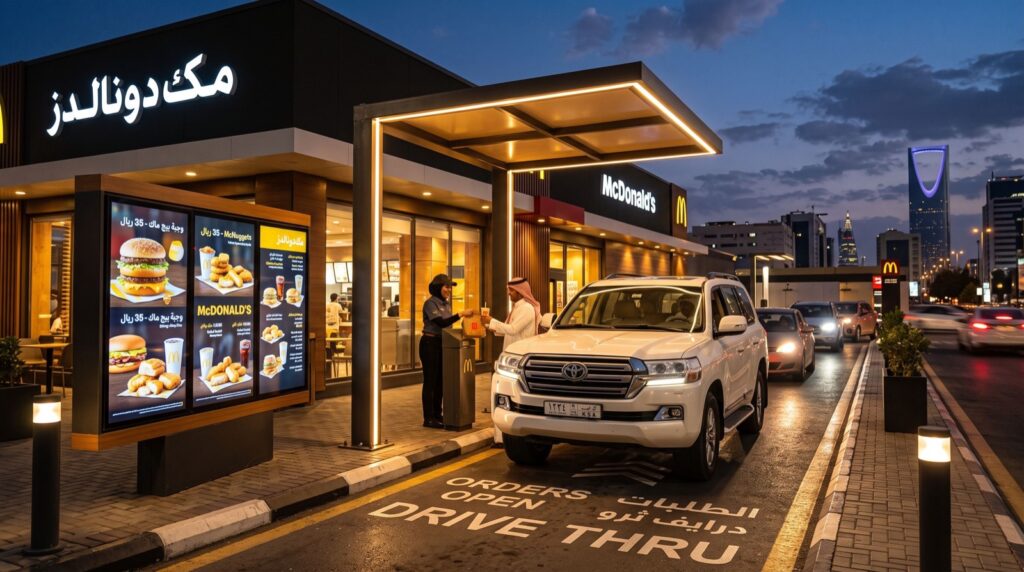
Queue thinking does not stop at the counter. The same principles power the lane outside. A modern Drive Thru Solution in pakistan uses order-point timers, headset communication, and lane sensors to keep vehicles moving instead of idling.
For restaurants, pharmacies, and banks offering curbside service, drive-thru systems track how long each car spends at each stage. When the data shows a slow window, managers can adjust staffing or process before a queue spills into the street. The result is a smoother lane, faster service, and happier customers who never leave their car.
Where Indoor and Outdoor Flow Meet
Ambitious operators now unify both. Indoor tokens and outdoor lanes report into one dashboard, giving a single picture of total demand. That unified view is where flow management becomes a genuine competitive advantage rather than a back-office convenience. Rolling this out is a job for dependable specialists who understand both the hardware and the day-to-day workflow.
Steps to Roll Out a System Without Disruption
A clean deployment protects your daily operations. Follow a staged approach.
- Audit your current flow. Map every service type, counter, and peak period before touching hardware.
- Pilot one location. Prove the setup at a single branch and gather staff feedback.
- Train the team. Confident staff use the tools fully; unsure staff route around them.
- Measure against a baseline. Compare average wait and service times before and after.
- Scale with confidence. Roll the proven configuration out branch by branch.
This measured path avoids the classic mistake of buying flashy screens that nobody uses. Technology only shortens waits when the process behind it is sound.
Frequently Asked Questions
How much can a queue management system reduce wait times?
Results vary by sector, but many branches cut average waits by thirty to fifty percent within the first few months, mainly by matching staffing to real demand data and routing customers to the correct counter instead of a single line.
Do small businesses benefit or is this only for large branches?
Even a single-counter clinic or retail store benefits from virtual ticketing and feedback capture. Smaller sites often start with mobile QR queues, which need minimal hardware and still remove the physical line entirely.
Can a queue system connect to a drive-thru setup?
Yes. Leading providers let indoor ticketing and outdoor drive-thru lanes report into one dashboard, so managers see total demand across counters and vehicles and can shift staff wherever the pressure builds.
Is customer data safe in these systems?
Reputable systems store only operational data such as ticket numbers and timestamps. When personal details are collected for appointments, they should be handled under standard privacy safeguards, as outlined by bodies like the ISO information security standards.
Conclusion: Turn Waiting Into a Strength
Long lines are not inevitable. With a well-planned queue management system, backed by real-time data and, where useful, an integrated drive-thru solution, you can turn one of your biggest customer complaints into a quiet, orderly strength. The businesses that measure and manage flow in 2026 are the ones customers remember for the right reasons.
If you are ready to cut wait times and give your customers a calmer, faster experience, talk to a specialist about the right mix of ticketing, displays, and lane technology for your locations, and start measuring the difference from day one.