Pet Waste and Water Pollution: How Dog Poop Threatens Local Waterways
Most dog owners never connect the leash in their hand with the health of the lake down the street. Yet pet waste and water pollution are directly linked, and the science is surprisingly stark. Every pile of dog poop left on a lawn, sidewalk, or trail becomes a potential source of bacteria and nutrients that eventually reach rivers, ponds, and storm drains.
In 2026, communities across the United States are paying closer attention to this issue than ever before. Municipalities are posting signs, passing scoop laws, and educating residents. This guide explains exactly how the problem works, why it matters for your neighborhood, and what you can do to protect the water everyone shares.
How Pet Waste and Water Pollution Are Connected
When it rains, water flows across yards, driveways, and streets. That runoff picks up whatever it touches, and dog waste is a common passenger. Unlike wild animal droppings, which are spread thinly across large habitats, dog poop concentrates in neighborhoods where the population of pets is dense.
Storm drains are the fast lane to pollution. Many people assume storm drains lead to a treatment plant, but in most towns they empty directly into the nearest creek or river. That means unscooped waste washes downstream untreated, carrying its contaminants with it.
The result is a steady flow of pollution that harms fish, degrades water quality, and can make swimming areas unsafe. Understanding this chain is the first step toward breaking it.
Nutrient Runoff and Algae Blooms
Dog waste is rich in nitrogen and phosphorus. When these nutrients reach a lake or pond, they act like fertilizer for algae. The algae grow rapidly, blanket the surface, and then die off in large quantities.
As the algae decompose, they consume oxygen in the water. Fish and other aquatic life can suffocate in these low-oxygen “dead zones.” The U.S. Environmental Protection Agency offers practical guidance on reducing this kind of nutrient pollution at home; you can review it in the EPA’s yard care resource.
Bacteria and Pathogens
Dog waste is a significant source of harmful bacteria, including E. coli and other pathogens. A single gram of dog feces can contain millions of bacteria, and some of those organisms can infect humans and other pets.
When contaminated runoff reaches a beach or swimming hole, it can trigger advisories and closures. The Centers for Disease Control and Prevention explains how pet-related germs can spread; their overview on healthy pets and people is worth a read for any pet owner.
Why Protecting Local Waterways Is a Community Responsibility
No single dog owner pollutes a river on their own. But collectively, the waste from thousands of pets in a watershed adds up quickly. This is why solving pet waste and water pollution takes community effort, not just individual good intentions.
Healthy waterways benefit everyone. Clean lakes support fishing, boating, and swimming. Clean rivers keep drinking-water treatment costs lower. And clean neighborhoods simply feel better to live in.
When residents work together, the impact multiplies. A neighborhood where most owners scoop consistently sees dramatically less bacterial runoff than one where waste is routinely ignored.
The Numbers Behind the Problem
To grasp the scale, it helps to look at rough figures. The table below illustrates how quickly waste accumulates across a community.
| Community Size | Estimated Dogs | Daily Waste (lbs) | Yearly Waste (tons) |
|---|---|---|---|
| Small town | 2,000 | ~1,000 | ~180 |
| Mid-size city | 25,000 | ~12,500 | ~2,280 |
| Large metro | 200,000 | ~100,000 | ~18,250 |
These estimates assume roughly half a pound of waste per dog per day. Even a modest town generates enough to overwhelm local waterways if a meaningful share goes unscooped.
Practical Steps to Reduce Pet Waste and Water Pollution
The good news is that prevention is simple and affordable. Small habits, repeated daily, keep the vast majority of waste out of the water. Here are the core practices every responsible owner should adopt.
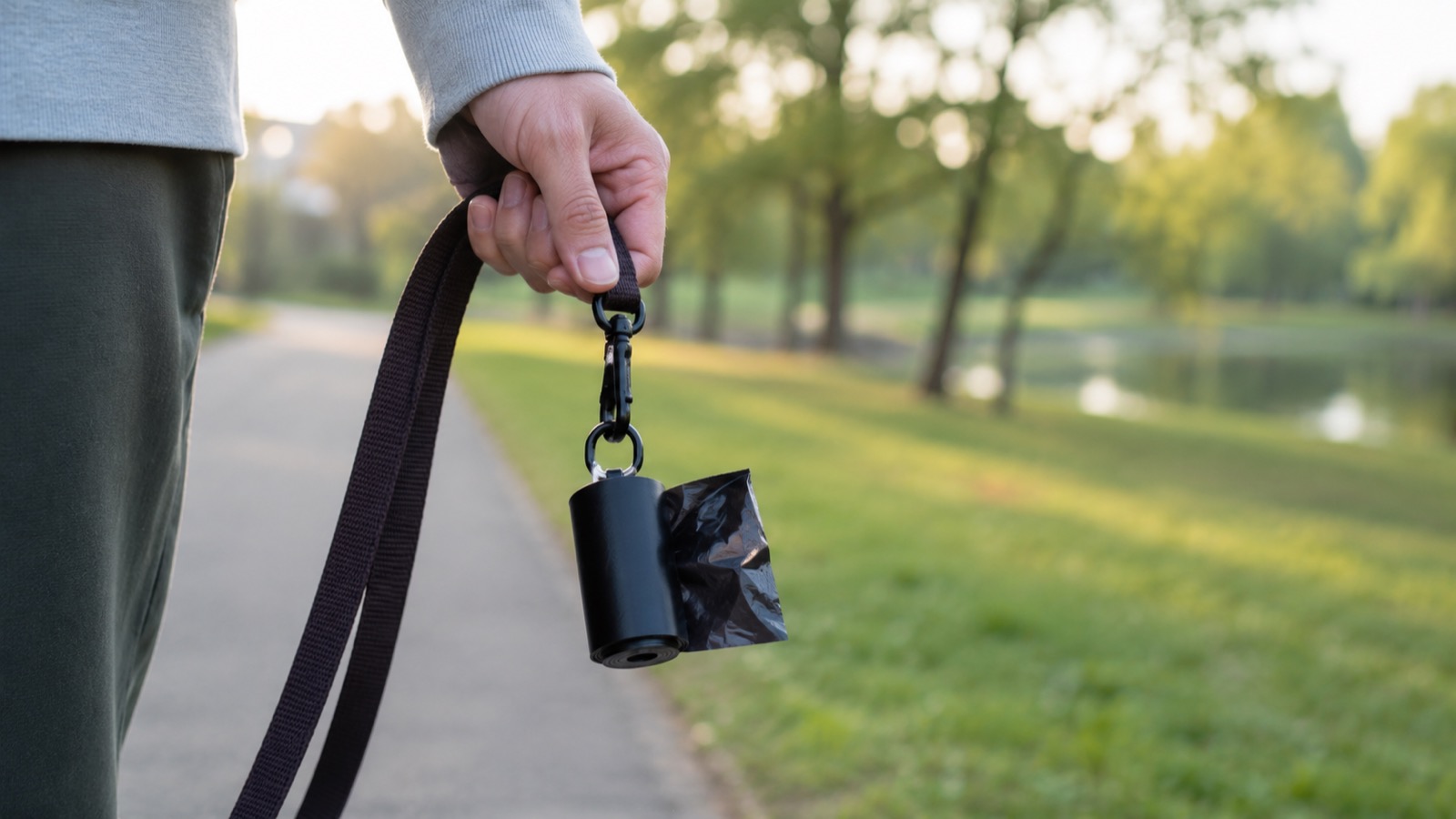
- Always carry bags on walks, even short ones around the block.
- Scoop your own yard at least once or twice a week, not just before mowing.
- Never toss waste into storm drains, gutters, or ditches.
- Bag waste securely and place it in the trash, not loose in a bin.
- Keep dogs away from stream banks and pond edges where waste washes in easily.
Having the right tools makes these habits effortless. Durable bags prevent leaks and tears, and a good scooper keeps the job quick and sanitary. Many owners keep a supply of heavy duty garbage bags by the door so they never head out empty-handed.
A Simple Weekly Routine
Consistency beats intensity. Follow this straightforward sequence to keep your yard and your watershed cleaner all year.
- Choose one or two fixed cleanup days each week.
- Walk the yard in a grid pattern so you miss nothing.
- Use a long-handled tool to protect your back and stay clean.
- Double-bag the waste and seal it before disposal.
- Rinse tools away from any drain or garden bed.
An ergonomic tool speeds up this routine considerably. A Dog poop Scooper with Bag Attached lets you scoop and bag in one motion, which makes staying consistent far more likely.
When to Call a Professional Scooping Service
Not everyone has the time, mobility, or stomach for regular cleanup. That is where professional pet-waste removal services come in, and demand for them keeps climbing in 2026.
Professionals visit on a schedule, remove all waste, and dispose of it responsibly. For multi-dog households, large yards, or busy families, the convenience is worth every penny. Many services also handle deodorizing and sanitizing.
Choosing a provider you can trust matters. Look for insured, reviewed, and reliable reputable service experts who show up consistently and handle waste properly.
Benefits of Hiring Help
- Reliable, scheduled cleanups regardless of your calendar.
- Proper disposal that keeps waste out of storm drains.
- A healthier yard for children and pets.
- Less bacteria and odor lingering on your property.
Frequently Asked Questions
Is dog poop really worse than wildlife waste?
In neighborhoods, yes. Wildlife is spread across large natural areas, while pet waste concentrates in dense residential zones. That concentration overwhelms local drainage and pushes far more bacteria into nearby waterways than scattered wild droppings would.
Does dog poop just break down and disappear?
Not harmlessly. It does not act as fertilizer the way many people believe. Instead, it releases nitrogen, phosphorus, and pathogens that pollute soil and water long before it fully decomposes.
Can I compost dog waste at home?
It is not recommended for most households. Backyard compost rarely reaches the high temperatures needed to kill pathogens. Bagging and trashing waste, or using a professional service, is safer for your family and your watershed.
How does scooping actually protect the water?
Removing waste before it rains stops it from ever reaching runoff. No runoff means no bacteria or nutrients flowing into storm drains, creeks, and lakes. Prevention at the source is the single most effective step.
Conclusion: Small Habits, Cleaner Water
Solving pet waste and water pollution does not require heroic effort. It requires a bag, a scooper, and the commitment to use them every time. When entire neighborhoods pitch in, local lakes and rivers rebound quickly.
Start today. Stock up on quality supplies, set a weekly routine, or hire a trusted scooping service, and do your part to keep your community’s waterways clean in 2026 and beyond.